 ChatGPT
 Perplexity
 Claude
 Gemini
 Grok
Grok
Recent trends show that the cloud has become the foundation of modern IT. Cloud services now power the growing demand for AI, ML, and RAG solutions across industries. As this shift accelerates, a recent McKinsey report projects that the global cloud infrastructure market will surpass $3.4T by 2040 [1].
So, what technologies are driving cloud investments today? And what can businesses expect from the market in 2026? This article explores the most important cloud computing trends to help you stay ahead of the curve.
12 latest cloud computing trends to watch in 2026
A clear understanding of trends driving the industry will prepare you to adapt and innovate in constant change. Let's explore the technologies and areas expected to drive cloud developments in 2026.
1. Rise of AI/ML supporting infrastructure
Massive AI models require vast data and computing resources that most businesses cannot access. This is where cloud platforms are stepping in, offering AI-as-a-service and bringing this transformative technology within reach.
Supporting AI's rise requires significant infrastructure adjustments. Sizing systems involves scaling database storage for training data and accommodating structured and unstructured formats. Combining data before training often proves more efficient, and the cloud is likely to be the preferred platform with its easy provisioning and scaling capabilities.
Additionally, AI demands different computing needs. GPUs, crucial for AI processing, are in high demand and often allocated. Traditional CPUs still play a role, though, and for many enterprises, specialized cloud services may be the easiest path to GenAI adoption. This cloud AI boom will continue to drive explosive growth for cloud providers in 2026, reinforcing AI's role as one of the future technology trends in cloud computing that defines the next era of digital innovation.
2. RAG integration
Retrieval-augmented generation (RAG) services are poised to emerge as the next frontier in cloud computing trends. RAG enhances generative AI models by integrating real-time data retrieval, allowing for more accurate, context-aware responses. Unlike traditional AI models that rely on pre-trained data, RAG pulls relevant information from external sources, making the generated output more reliable and relevant for dynamic business needs.
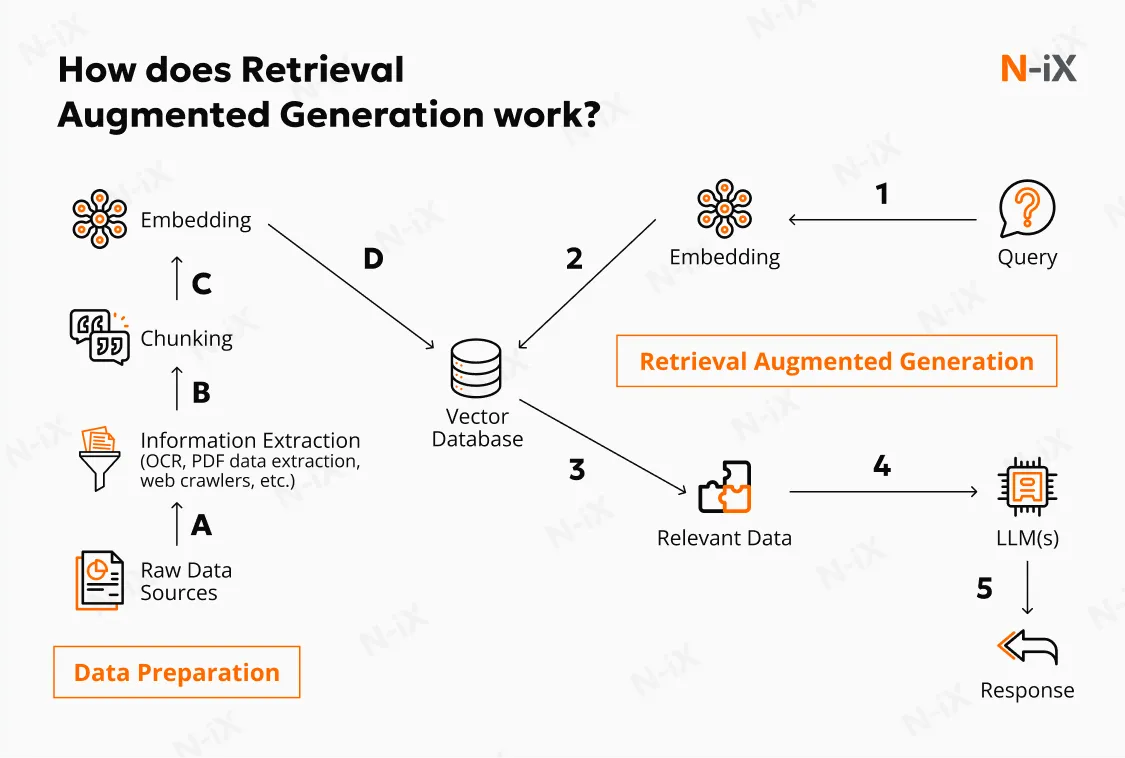
Major cloud providers are already integrating RAG into their platforms, allowing businesses to build AI applications that dynamically retrieve and incorporate real-time data. This integration will drive the next wave of AI advancements, enabling companies to improve the accuracy and scalability of their applications. As AI adoption continues to grow, RAG will become a fundamental tool for enhancing the quality and efficiency of cloud-based AI services.
3. Hybrid and multi-cloud adoption
One of the current trends in cloud computing is a shift towards ubiquitous computing: moving beyond the singular public cloud paradigm to leverage the optimal platform for each workload and data type. Gartner predicted that 90% of organizations will move to hybrid cloud by 2027 [2]. This transformation reflects a deeper understanding that no single cloud solution fits all business needs, leading organizations to rethink their infrastructure strategies.
Businesses are moving beyond singular platforms, instead considering all options and strategically placing workloads and data where they benefit the most. This includes leveraging multi-cloud environments, edge computing, on-premises infrastructure, and even industry-specific "microclouds". This trend signifies a more nuanced and decentralized future of computing, where businesses gain greater control, flexibility, and cost-effectiveness in managing their data and workloads.
4. Edge computing integration
In 2026, edge computing is emerging as one of the key trends that will shape the future of cloud technologies. It enhances the cloud by extending capabilities to the very edge of the network. This allows for data processing and analysis to occur closer to where the data is generated, enabling faster insights and more efficient resource usage.
By offloading specific tasks to the edge, organizations can reduce the strain on cloud infrastructure while maintaining the scalability and flexibility the cloud provides. The growing integration of 5G networks further enhances this trend, supporting high-speed, reliable connections that improve data processing and decision-making capabilities. Edge computing enhances the cloud by delivering real-time insights, making it invaluable for industries that require immediate data analysis, such as manufacturing, logistics, retail, and smart cities.
5. Real-time cloud infrastructure
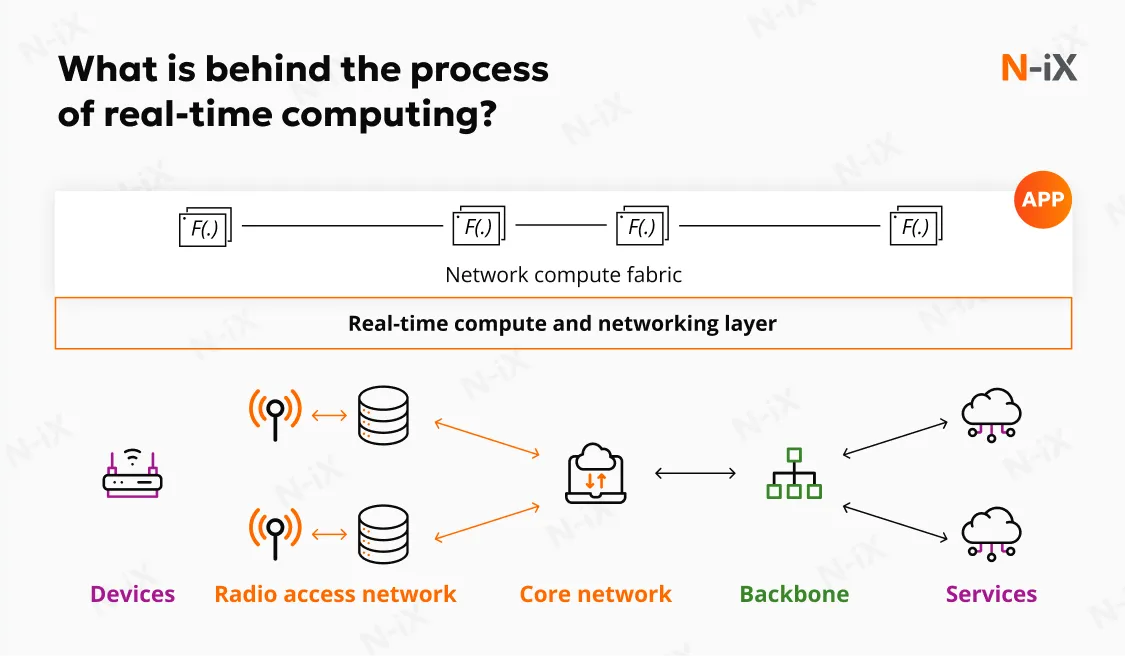
Real-time cloud architecture is emerging as one of the key cloud computing trends for 2026. Businesses no longer want to wait for insights-they need instant data processing and decision-making. This brings us to real-time cloud infrastructure: a revolutionary architecture designed for dynamic, immediate access to resources and services. This is achieved through a powerful combination of technologies:
- Serverless computing: Eliminates server management, allowing your code to run instantly upon the trigger, perfect for real-time processing.
- Edge computing: Brings data processing closer to the source, reducing latency and bandwidth usage for time-sensitive applications.
- Flash and solid-state storage: Delivers unparalleled data access speeds, empowering real-time analysis and decision-making.
This architecture allows organizations to scale instantly, respond to changes faster, and act on real-time insights. From early anomaly detection in transportation to instant customer support in retail, real-time cloud systems redefine how businesses operate and innovate.
6. Cloud security
The increasing adoption of cloud computing brings significant benefits but also requires careful attention to security and data protection. As part of the cloud computing trends, emerging practices in cloud security are helping mitigate risks and ensure compliance:
Data encryption protects sensitive cloud information by converting it into an unreadable format. Even if unauthorized parties access storage systems, they cannot view the data. As hacking techniques evolve, advanced encryption algorithms, including those resistant to quantum threats, will become crucial.
Robust authentication controls access to cloud resources. Multi-factor authentication (MFA) will replace traditional passwords, using additional factors like biometrics and user behavior analysis, reducing risks of brute-force or social engineering attacks.
Disaster recovery plans ensure business continuity during disaster scenarios or hardware failures. Cloud infrastructure with automated replication and failover systems minimizes downtime and data loss.
Zero Trust is rapidly emerging as a key cloud security trend. This approach assumes that no one, inside or outside the network, should be trusted by default. Zero Trust reinforces the need for businesses to actively stay on top of cloud security best practices, including vulnerability assessments, employee training, and staying informed about evolving threats. This trend also involves recognizing that security is not solely the cloud providers' responsibility.
Read more: Top 8 cloud security trends to protect your business in 2026
7. Serverless computing
Serverless computing is making a strong comeback after its early hype and decline around 2020. Today, it's better understood as a software model that removes deployment complexity, allowing developers to focus entirely on writing code. Its revival is fueled by proven enterprise success stories and the growing maturity of the ecosystem, making it one of the latest trends in cloud computing technology.
What started as simple Function-as-a-Service (FaaS) has evolved into a robust environment with advanced data and integration services. Three key factors drive this evolution: the rise of flexible turnkey cloud services, the natural synergy with AI workloads that require on-demand scaling, and WebAssembly (Wasm) for near-instant deployment. The convergence of edge and serverless development further blurs the lines between centralized and distributed cloud environments.
Modern serverless platforms now offer automatic scaling, millisecond billing, event-driven operations, and enhanced storage, messaging, monitoring, and security capabilities. This transformation positions serverless as a cornerstone of the cloud-native landscape and a foundation for next-generation digital systems.
8. Quantum computing
Quantum computing is predicted to be one of the most critical cloud computing trends, enabling businesses to solve complex problems that traditional computing cannot address. In 2026, cloud providers are expected to offer more accessible quantum computing services, allowing businesses to experiment with this cutting-edge technology. Quantum algorithms could impact the pharmaceuticals, logistics, and finance industries, providing faster data processing and insights. Cloud providers are setting up quantum computing ecosystems to democratize this powerful resource, making it available as a service for enterprises looking to accelerate innovation.
9. Sovereign cloud
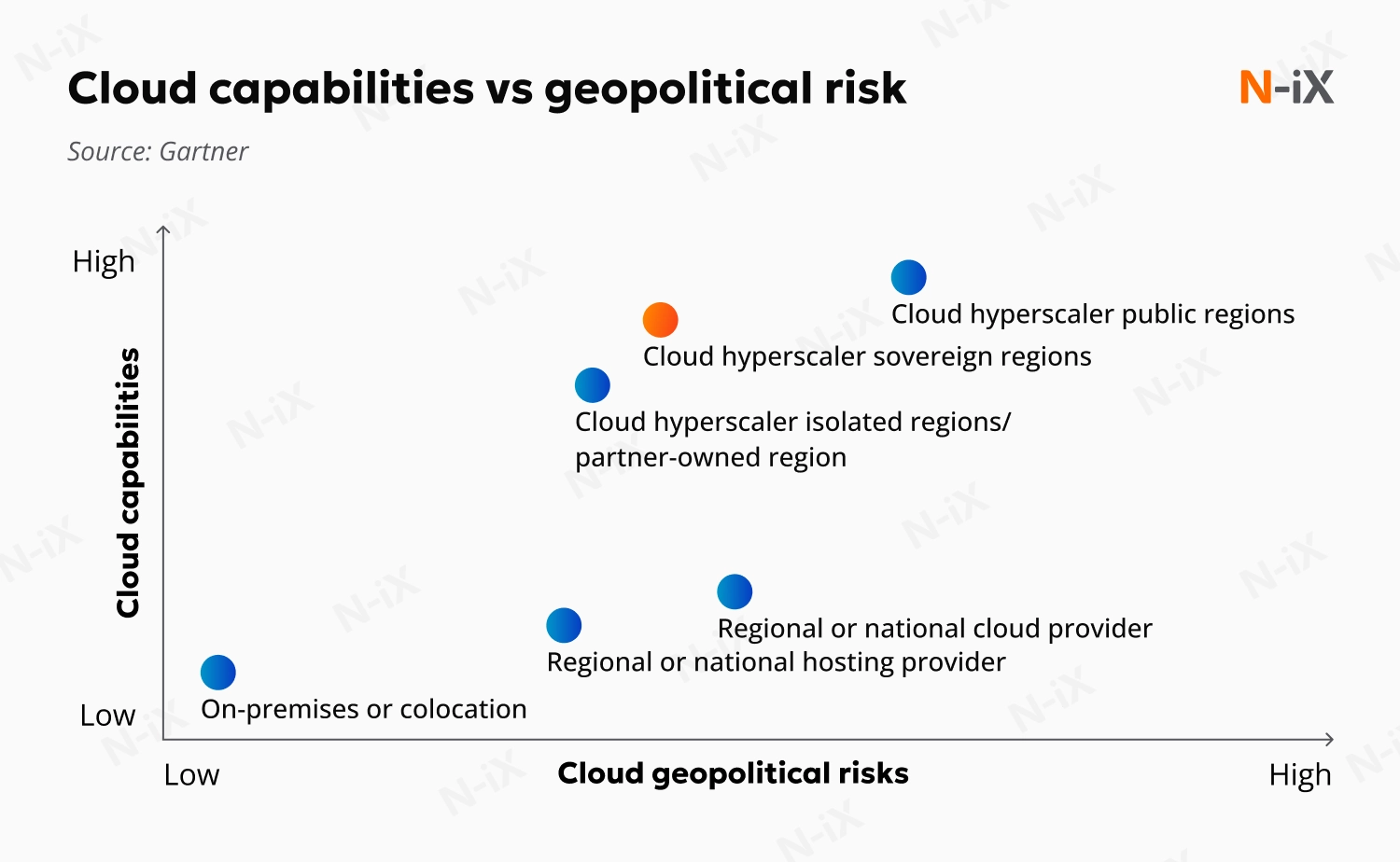
As data privacy and security regulations tighten globally, sovereign cloud is emerging as one of the recent trends in cloud computing. Sovereign cloud services ensure data is kept within specific geographical boundaries, meeting local data residency requirements. This trend is gaining momentum, especially in regions with stringent data sovereignty laws. By offering sovereign solutions, cloud providers enable businesses to ensure compliance with local regulations while benefiting from the cloud's flexibility and scalability.
Choose the right EU sovereign cloud provider—get the report!
Success!
10. Industry-specific cloud
As the cloud matures, businesses demand more specialized solutions tailored to their unique industry needs. Cloud providers are moving beyond generalized services to deliver industry-specific cloud platforms. For example, healthcare, finance, and manufacturing increasingly adopt vertical cloud solutions designed with industry-specific tools and compliance features. By 2026, more cloud providers will launch tailored services for these industries, offering specialized applications and data management tools that also align with sector-specific standards and regulatory requirements. This focus on verticalization is one of the future trends in cloud computing that reflects the shift toward customized, industry-driven cloud ecosystems.
11. Low-code/no-code development
Low-code and no-code platforms are emerging trends in cloud computing as they empower business users and non-developers to build applications without requiring deep technical expertise. This trend is expected to accelerate in 2026 as more organizations look to democratize application development and speed up digital transformation. Cloud providers increasingly integrate low-code/no-code tools into their platforms, allowing businesses to quickly create, deploy, and iterate on applications. By reducing the complexity and cost of development, these platforms enable faster time to market and broader adoption of cloud-powered solutions, driving innovation across departments.
12. Cloud sustainability
The drive towards sustainability remains a top contender among cloud computing trends in 2026, with an increasing focus on eco-friendly cloud solutions. All major cloud service providers have committed to achieving net-zero emissions, extending these goals to their operations and assisting their customers in reducing their carbon footprint. Amazon, for instance, has set a target to achieve zero emissions by 2040, while Microsoft is striving to achieve this goal a decade earlier [3, 4]. In addition to emission reduction, Amazon, Microsoft, and Google have all articulated their intent to derive 100% of their operational energy from renewable sources.
Cloud-powered technologies like AI, ML, and IoT can significantly accelerate and catalyze the decarbonization process. Cloud technologies can reduce the cost and time required to implement various decarbonization initiatives by 2-10%. These technologies can decrease up to 32 metric gigatons of CO2 equivalent (GtCO2e) by 2050 (about half of what's needed to reach net zero by 2050) [5]. Manufacturing and transportation stand to benefit the most from cloud-powered decarbonization solutions.
Keep reading: How to find top cloud software engineers to boost your expertise
Wrap-up
2026 promises to be a year of transformative progress for cloud computing. These 12 cloud computing future trends showcase an industry embracing flexibility, efficiency, and innovation. By adopting these technologies and adapting strategies accordingly, businesses can stay tuned and thrive in the dynamic cloud-powered future. Yet, staying ahead in such a fast-evolving landscape requires the right expertise and guidance. That's where partnering with an experienced cloud and AI consultant like N-iX can make all the difference.
Why choose N-iX as your cloud partner?
N-iX is a global software development company with over 24 years of experience delivering cloud services across various industries. Our 400+ cloud professionals have deep expertise in cloud technologies, infrastructure setup, architecture redesign, and system maintenance.
As an AWS Premier Tier Partner, Microsoft Solutions Partner, and Google Cloud Platform Partner, N-iX provides end-to-end support across cloud ecosystems. We also adhere to robust security and compliance standards, including ISO 27001:2013, PCI DSS, ISO 9001:2015, and GDPR, ensuring that every cloud project meets the highest standards of data protection and reliability.
With a proven track record and a people-first approach, N-iX helps organizations stay ahead of the curve and turn the latest cloud computing trends into real business value.
References:
- McKinsey & Company - Riding the hyperscaler wave: The investment opportunity in cloud ecosystems
- Gartner - Gartner Forecasts Worldwide Public Cloud End-User Spending to Total $723 Billion in 2025
- About Amazon - The Climate Pledge
- Microsoft blogs - Microsoft will be carbon negative by 2030
- McKinsey Digital - Cloud-powered technologies for sustainability
Have a question?
Speak to an expert


